More consistent data
Standardised records are easier to find, check and use.

Digital health transformation
We trace how records move through a facility before configuring open-source tools such as OpenMRS for patient records or DHIS2 for reporting. We integrate the tools with existing systems and train local teams to manage them.
The challenge
Moving to digital affects how people record visits, manage stock and report activity. We begin with the workflows teams already rely on, so the tools fit the facility and the wider health system.
Our approach
Trace how data moves today, identify gaps and design reporting forms around what staff actually need.
Adapt existing platforms such as OpenMRS or DHIS2 when they fit, and develop what the workflows still require.
Connect the application to the surrounding health information system and plan how it will be maintained and expanded.
Train and mentor in-country teams to manage the applications, servers and databases themselves.
Benefits
Standardised records are easier to find, check and use.
Share information between care teams, programme staff and central authorities.
Notify patients, prescribers and decision-makers as soon as relevant results or updates are available.
Make relevant patient history available when care teams need it.
Reduce re-entry and avoid repeating work when records already exist.
Streamline routine capture, reporting and follow-up.
Track supplies, inventory movements and maintenance needs.
Selected work
Niger
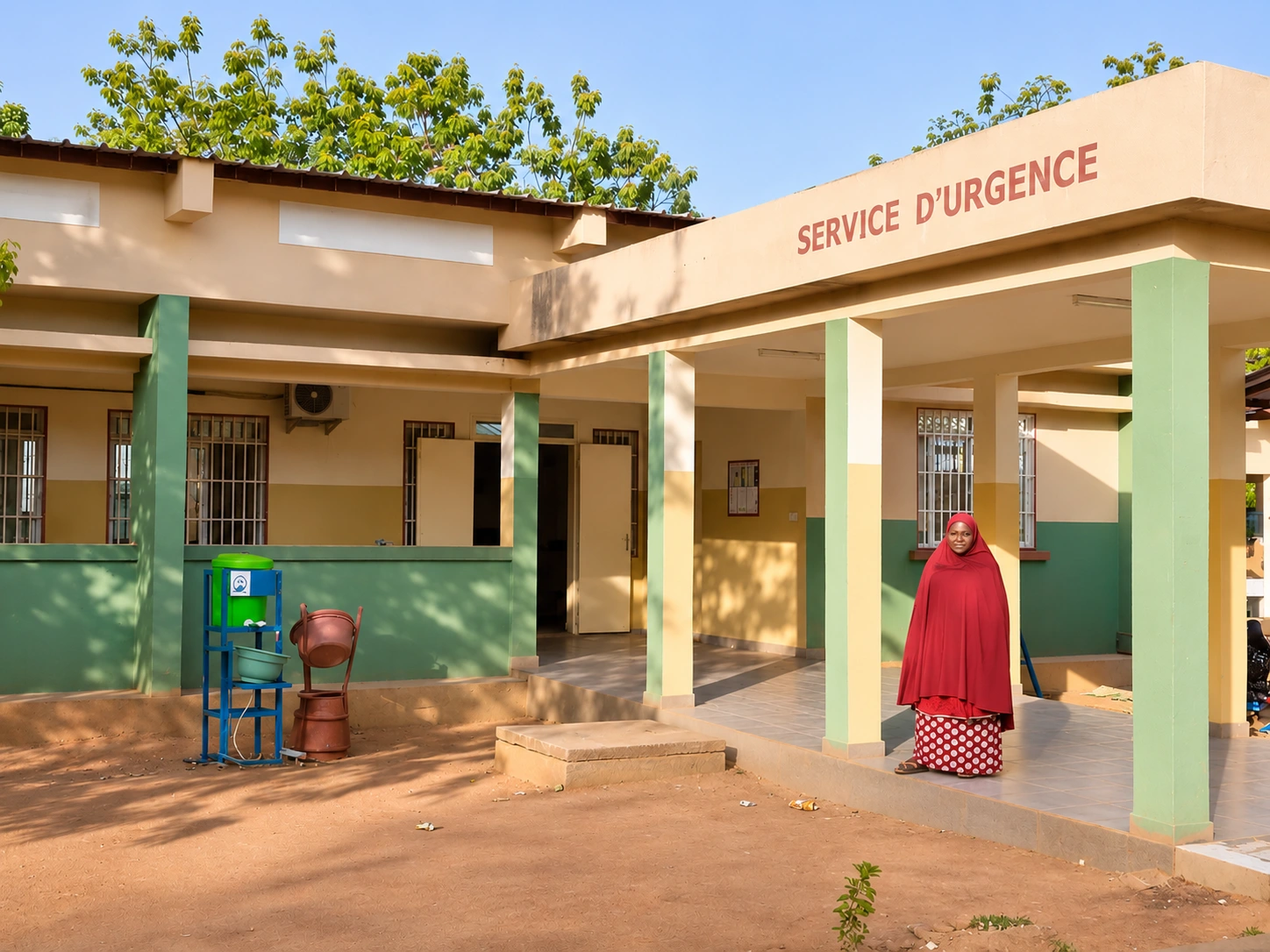
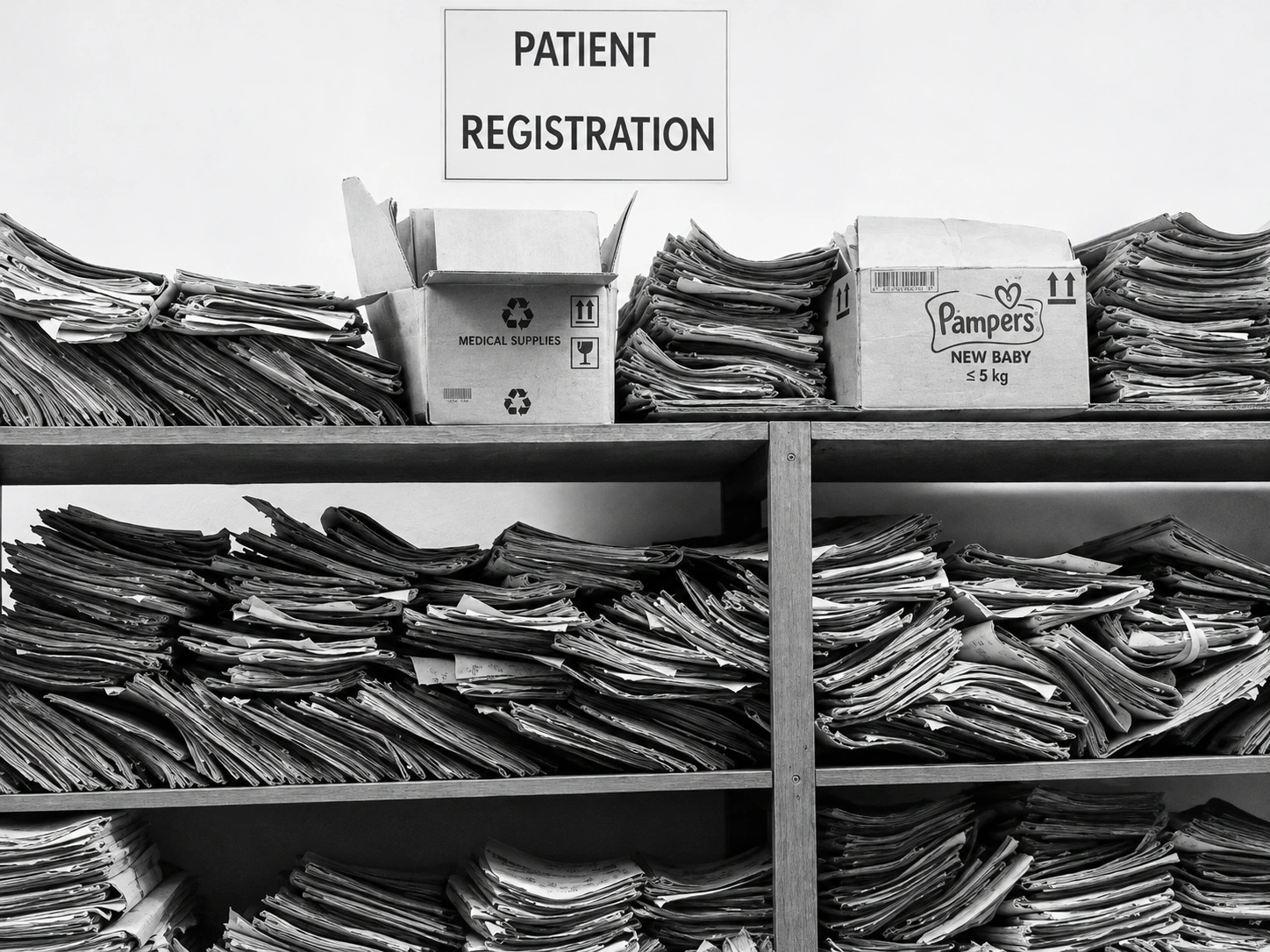
Savics worked with Niger’s Ministry of Health to replace paper patient registers and inventory workflows in two district hospitals.
Read the case studyGuinea
Working with Guinea’s Ministry of Health and the Mérieux Foundation, Savics configured DHIS2 to bring existing field data into the platform and give programme teams a clearer view of it.
Read the case studyStart a conversation
Tell us what your team is working on and where digital health tools could help.
Get in touch